
Collaborations

SPRINT does not work in isolation. To maximise its impact and accelerate the uptake of sodium-ion technology in Europe, the project actively collaborates with other EU-funded initiatives pursuing complementary goals in sustainable stationary energy storage. By exchanging knowledge, aligning research efforts, and organising joint dissemination activities, these projects help build a stronger European sodium-ion battery ecosystem, one that is less dependent on critical raw materials, safer, and more competitive on the global market.
Discover below the sister projects SPRINT is working with!
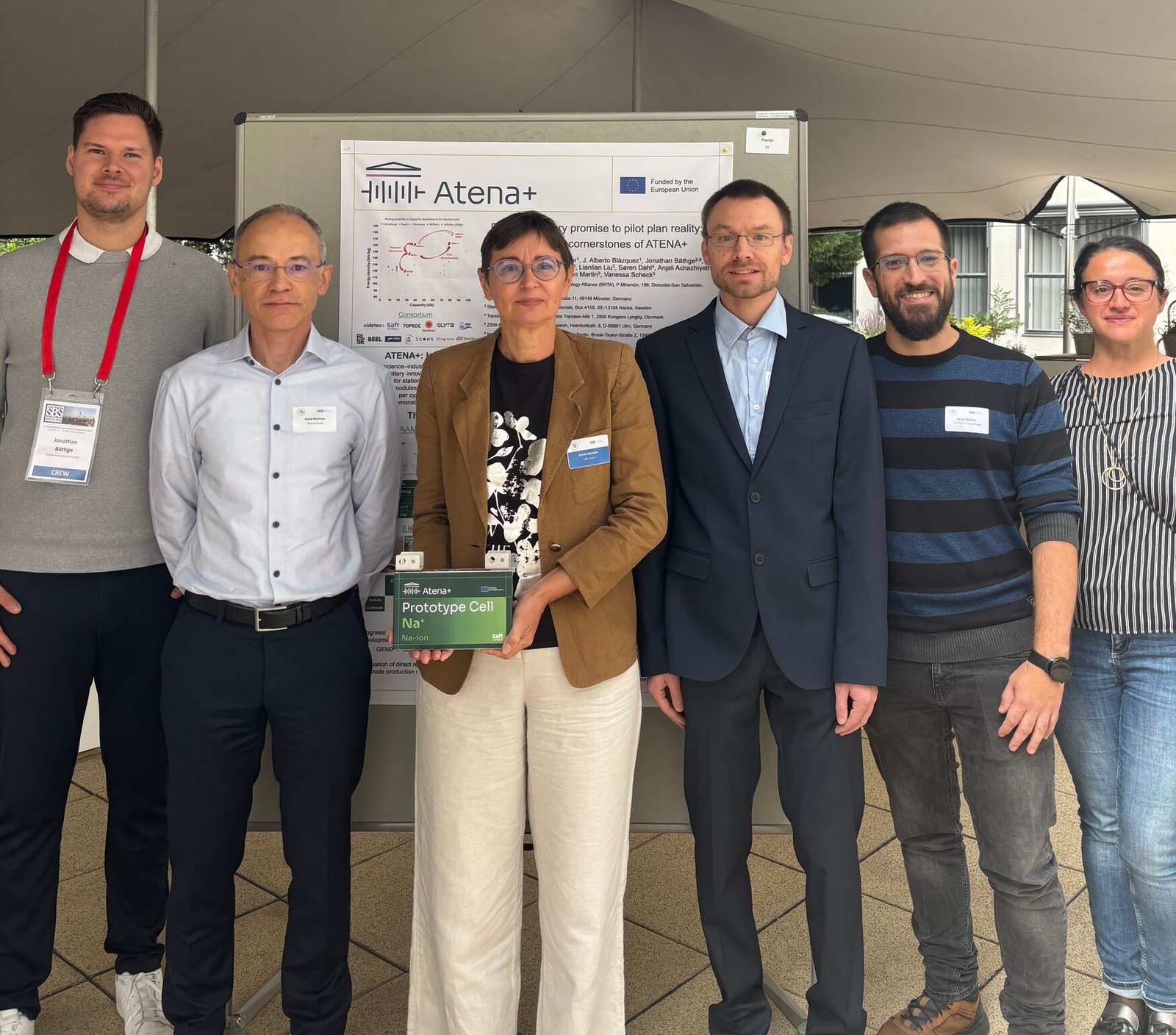

ATENA+
ATENA+ is a Horizon Europe project working to strengthen the competitiveness of the European battery industry by demonstrating a new generation of safe, sustainable-by-design, high-performance, and fully Made-in-Europe sodium-ion battery (SIB) technology at pre-industrial scale (TRL 7). The project aims to demonstrate large-format 80 Ah cells and 2.5 kWh modules representative of real BESS applications, alongside scalable active material production at pilot level, using cobalt-free layered oxides, EU-sourced biobased hard carbon, and advanced electrolytes.ATENA+ is also characterised by a constructive and collaborative approach, integrating economic and environmental aspects, from eco-design to direct recycling, from the earliest stages of research. The technology will be virtually upscaled to full BESS level and tested across five real end-user operating conditions, accelerating post-project commercialisation and contributing to a more competitive and sustainable battery industry in Europe.
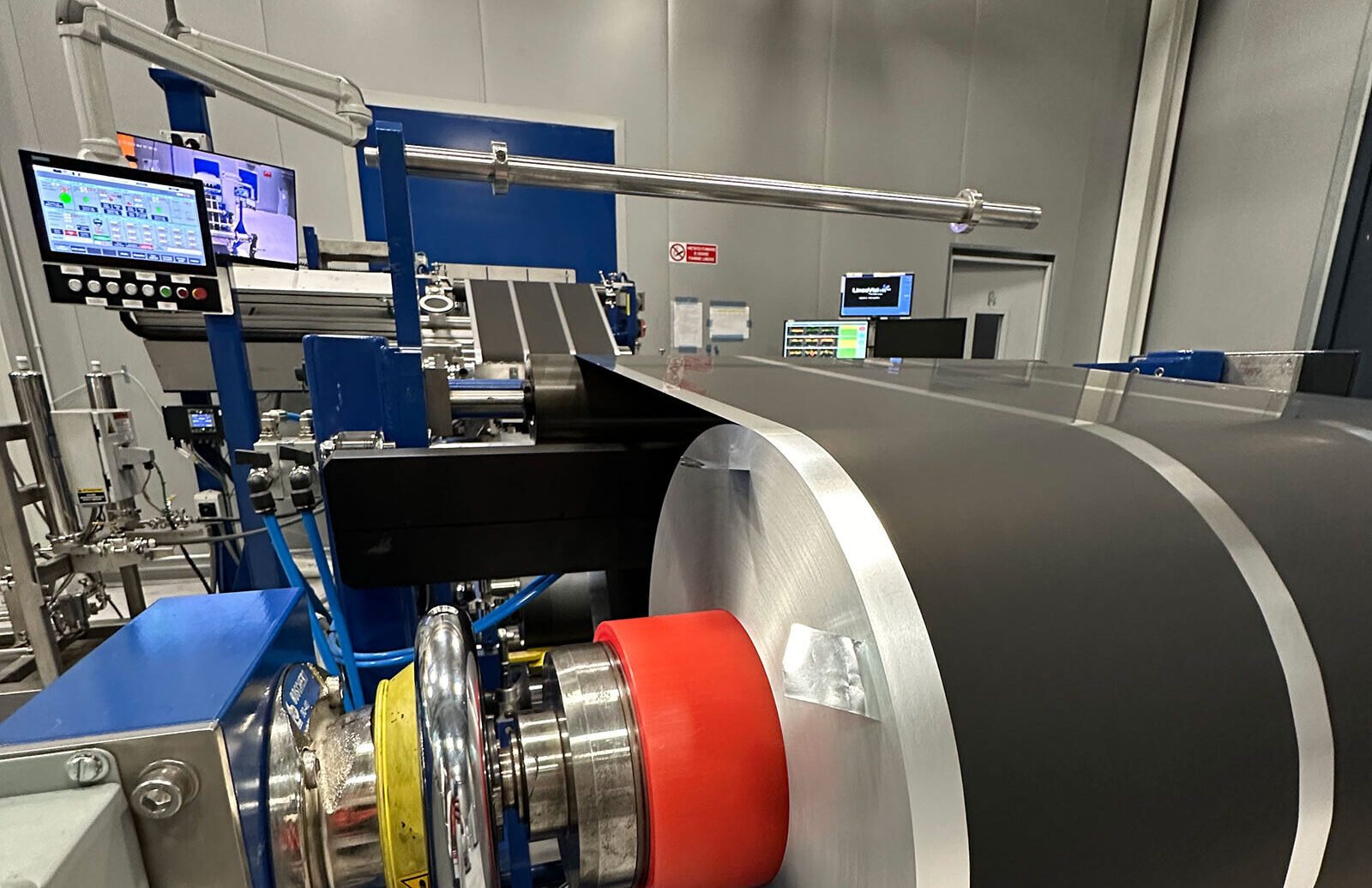
EPISODE
The main mission of the “European Produced sustaInable SODium-ion battEries for stationary applications” (Episode) project is to develop a Na-ion battery technology based on abundantly available and low-cost materials, with attractive energy density and power metrics close to those of LFP-based Li-ion batteries counterparts. Together with being intrinsically safe and recyclable, the technology developed in Episode will be non-toxic, long-lasting (>15 years and >5000 cycles) and highly efficient (round trip >95%) and Episode aims to develop sustainable and energy-efficient production processes for the anode, cathode, electrolyte solutions as well as the whole battery. These processes will be demonstrated at industrial mass manufacturing scale as efficient, resilient and cost-effective modular sodium-ion battery (SIB) systems suitable for household, industrial and grid-supporting stationary storage
This project has received funding from the European Union’s Horizon Europe Research and Innovation programme under Grant Agreement No. 101191903.